
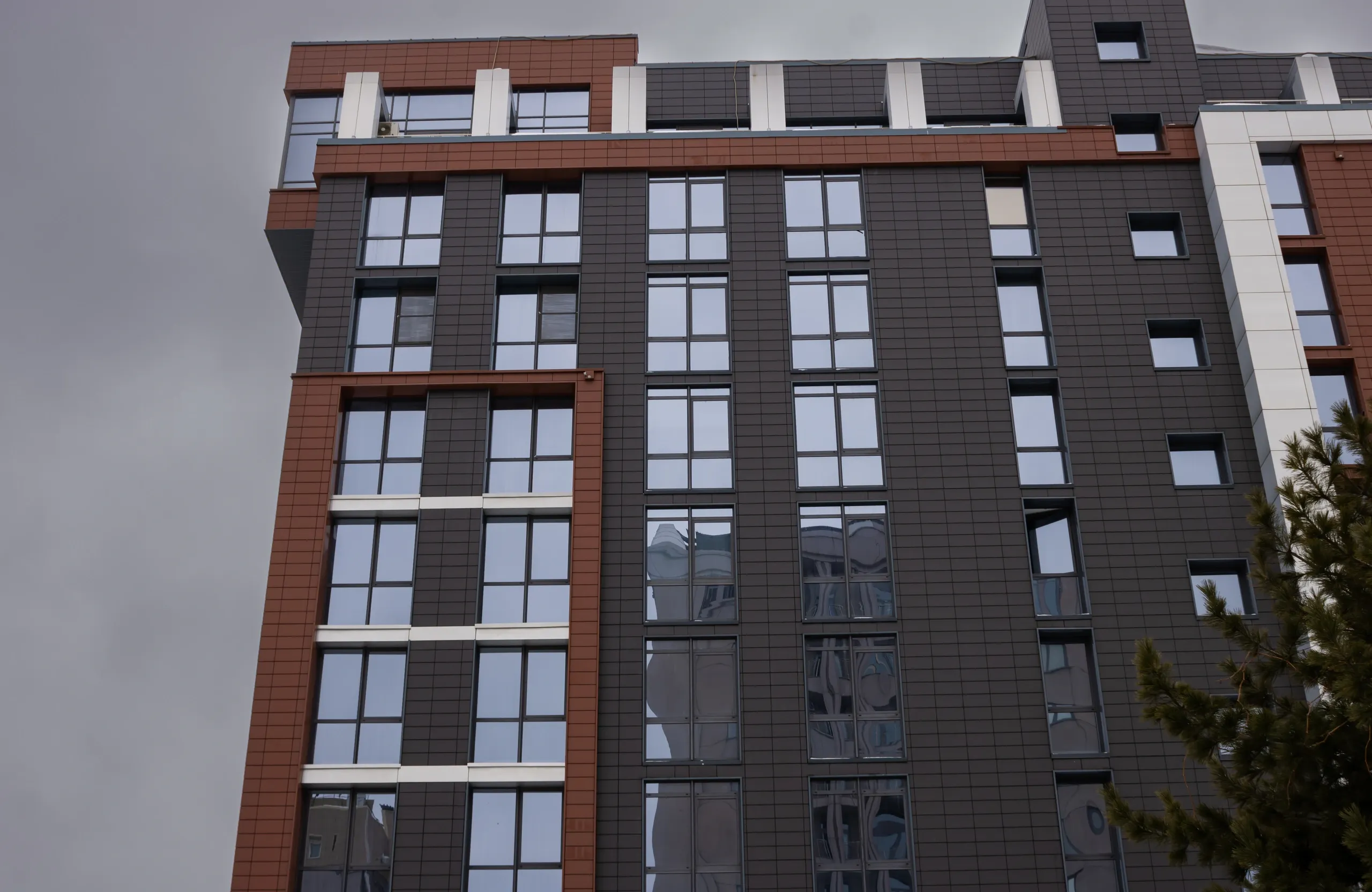
Benefits of Porcelain Cladding in Riyadh: A Practical Guide
Thinking about porcelain cladding in Riyadh? Here are the practical benefits for Saudi heat, sand and dust, and what to check before you choose.
Choosing the right facade material for a building in Riyadh is not a simple decision. Porcelain cladding is one of the options property owners and architects ask about most often, and for good reason. It combines a clean modern look with durability that suits the local climate. This guide explains where porcelain cladding performs well, where it needs care, and what to ask before you commit.
Why Porcelain Works in Riyadh's Climate
Riyadh has long, hot summers, strong sun, and regular dust and sand carried by wind. Any exterior material has to handle daily temperature swings and constant UV exposure. Porcelain is a dense, fired ceramic, and it is naturally resistant to fading, so its colour tends to stay consistent in strong sunlight.
Because porcelain is fired at high temperature, it absorbs very little water. That matters in a city where sudden rain can happen, and where dust and grime need to be cleaned off regularly. A low-porosity surface is easier to wipe down and is less likely to hold stains.
Main Benefits of Porcelain Cladding
Low maintenance. A porcelain surface usually needs only regular cleaning with water and a mild detergent. There is no need for frequent sealing or polishing, which many natural stones require.
Consistent appearance. Porcelain panels are manufactured to a controlled size and finish. This gives a uniform look across large facades, which is harder to achieve with natural stone where each slab varies in veining and colour.
Wide range of finishes. You can choose stone-look, concrete-look, wood-look or plain textured finishes. This flexibility lets designers match traditional Saudi architectural tastes or go for a contemporary style.
Good resistance to impact and weather. Porcelain handles knocks, abrasion and wind-blown sand well. On the lower part of a facade, at building entrances and on boundary walls where people and cars pass close by, this is a practical advantage.
Lighter than many natural stones. Thinner porcelain panels can reduce the load on the structure compared with heavier stone cladding, which can matter for retrofit projects.
Points to Check Before You Choose
No material is perfect, and porcelain has limitations you should understand.
- Fixing system. Facade cladding must be fixed properly to withstand wind loads and thermal movement. Ask your contractor which mounting system they use and how the panels are secured to the substructure.
- Joint design. Allow for expansion joints. Hot days cause materials to expand, and joints absorb that movement and prevent cracking.
- Panel size and thickness. Larger formats mean fewer joints but require correct handling and fixing. Confirm that the thickness suits the application.
- Drainage and ventilation. Good cladding design usually includes a ventilated air gap behind the panels, which helps manage moisture and heat.
- Building regulations. Facade work in Saudi Arabia should follow the relevant requirements of the Saudi Building Code. Check with your engineer or the authority having jurisdiction, and do not rely on general claims without confirming the specifics for your project.
If you are comparing options, our guide on stone cladding vs porcelain in Riyadh explains the differences in cost, look and maintenance in more detail.
Why Mechanical Fixing Matters
On an exterior wall, porcelain panels should be fixed mechanically, not held by adhesive alone. In a mechanical (dry-fix) system each panel sits on stainless-steel or aluminium clips and anchors fixed to the wall or to an aluminium sub-frame, with a ventilated gap behind it. The panels can move with Riyadh's daily heat without cracking, the air gap lets heat and moisture escape, and a damaged panel can be taken out and replaced without breaking the ones around it. Ask your contractor to show you the fixing detail and the anchor type before work starts.
For a broader view of cladding options, including natural stone, you can read about our stone cladding work in Riyadh. If you are weighing up installers, our advice on how to choose a stone cladding contractor in Riyadh covers what to look for.
Tips for a Good Result
- Start with a site survey so the substructure, wind exposure and building orientation are considered.
- Ask for samples and see them in daylight, since colour can look different at different times.
- Agree a cleaning routine with the building manager, including the frequency and the methods to avoid.
- Keep the installation records and warranty documents for future reference.
Work With Al-Swati Contracting
Al-Swati Contracting supplies and installs natural stone, marble, granite and porcelain cladding for facades and walls, fixed with mechanical (dry-fix) systems. We work in Riyadh, Dammam and Al-Hassa. You can see more about our services on the services page, and read our customer feedback on Google Reviews.
If you are planning a porcelain cladding project and would like to talk it through, call or WhatsApp us on 0511826313, or email hussainkhan@al-swaticontracting.com. We are happy to look at your plans, give an honest opinion on whether porcelain is the right choice, and discuss the options that suit your building.